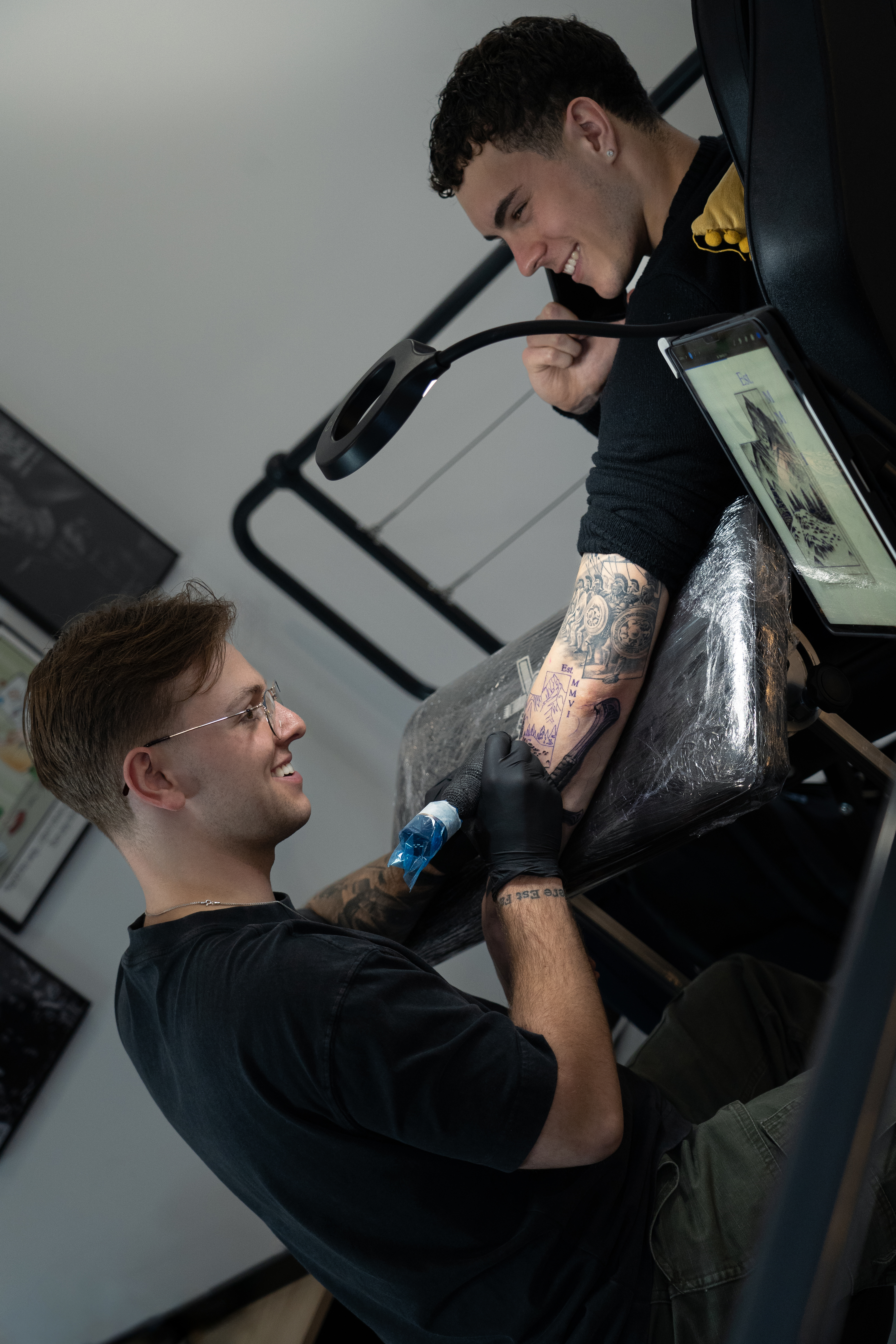


A new tattoo is an investment in your skin, and following the right tattoo aftercare advice will help it heal properly and look its best for years to come.
This guide covers how to care for a new tattoo, including cleaning, moisturising and what to expect throughout the tattoo healing process.
Before you leave Stillhaus Tattoo Club, your artist will explain how to look after your tattoo. Their advice may vary depending on its size and placement, your skin, your working environment, how often you’re attending appointments and any upcoming sun exposure.
Every tattoo heals differently, so always follow the specific aftercare advice given by your artist first. If you’re unsure about anything while your tattoo is healing, simply get in touch with the Stillhaus team.
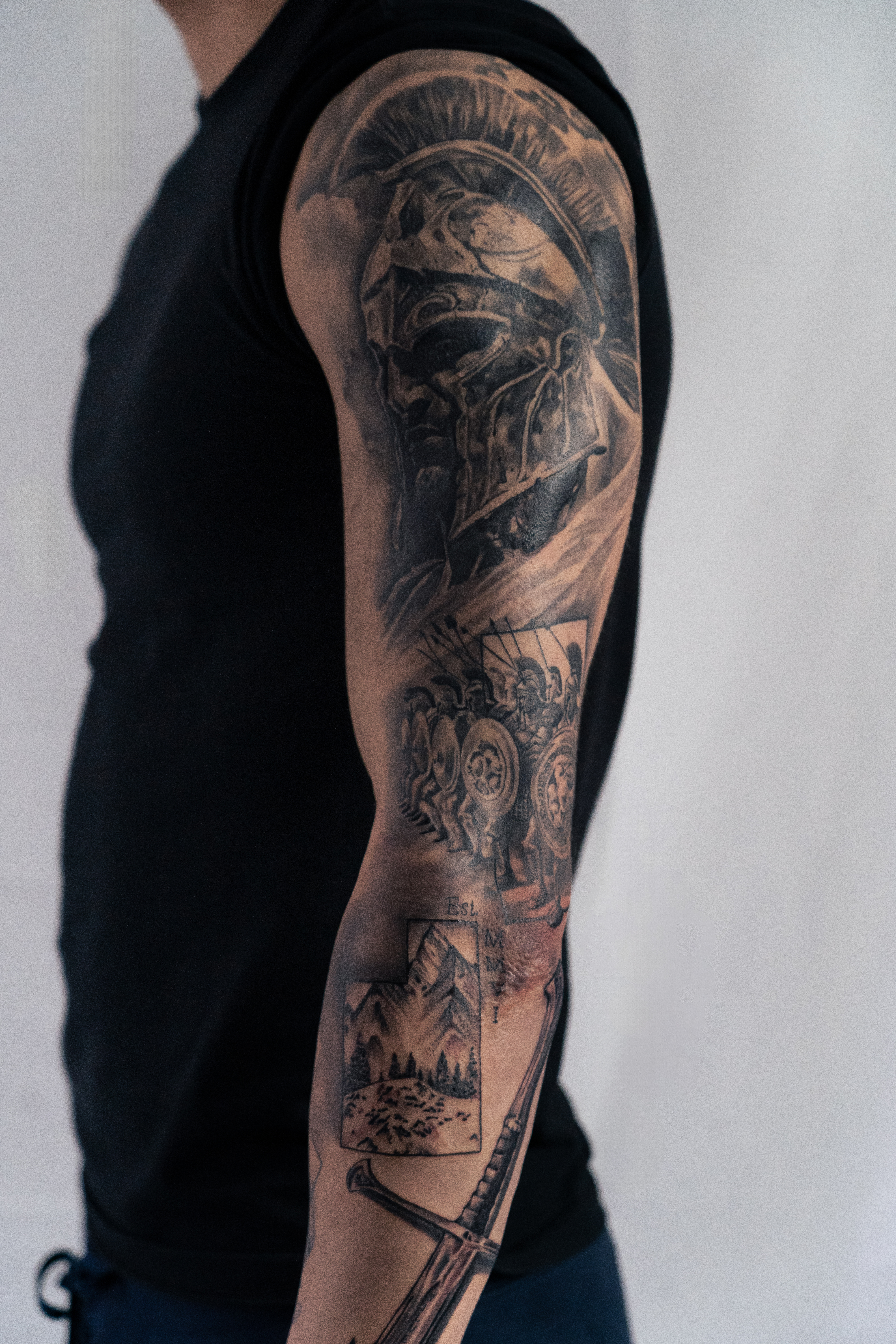
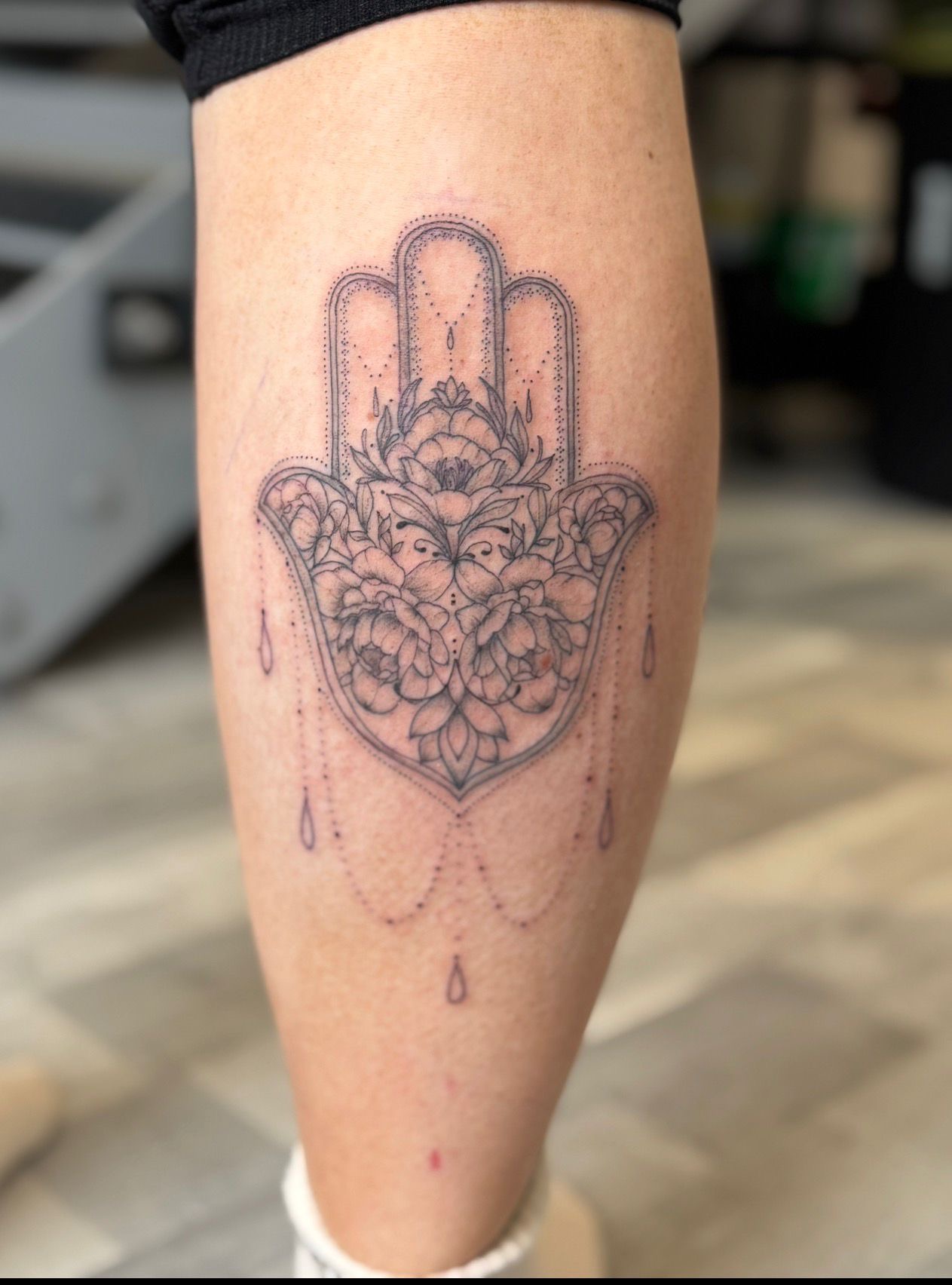
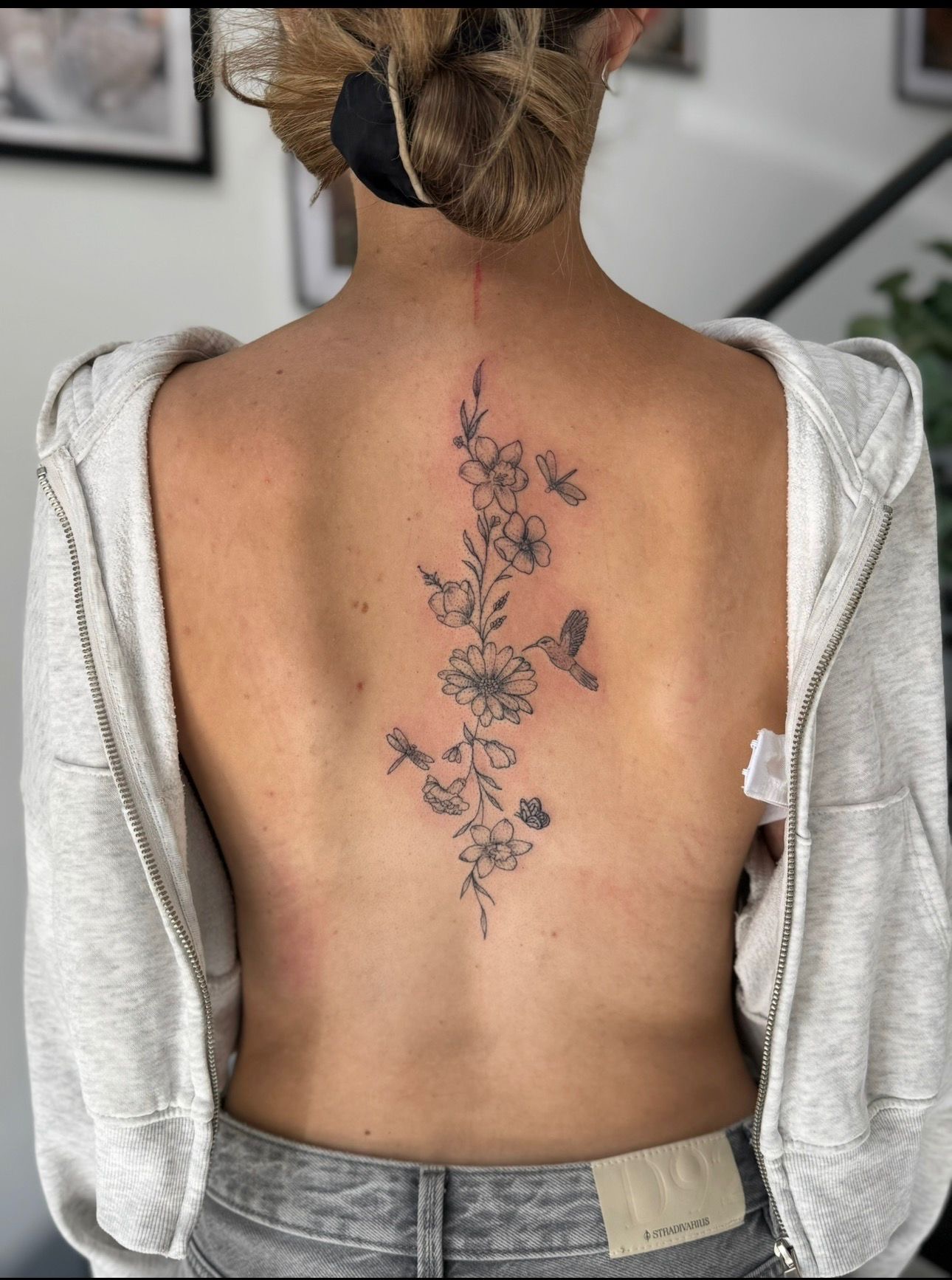
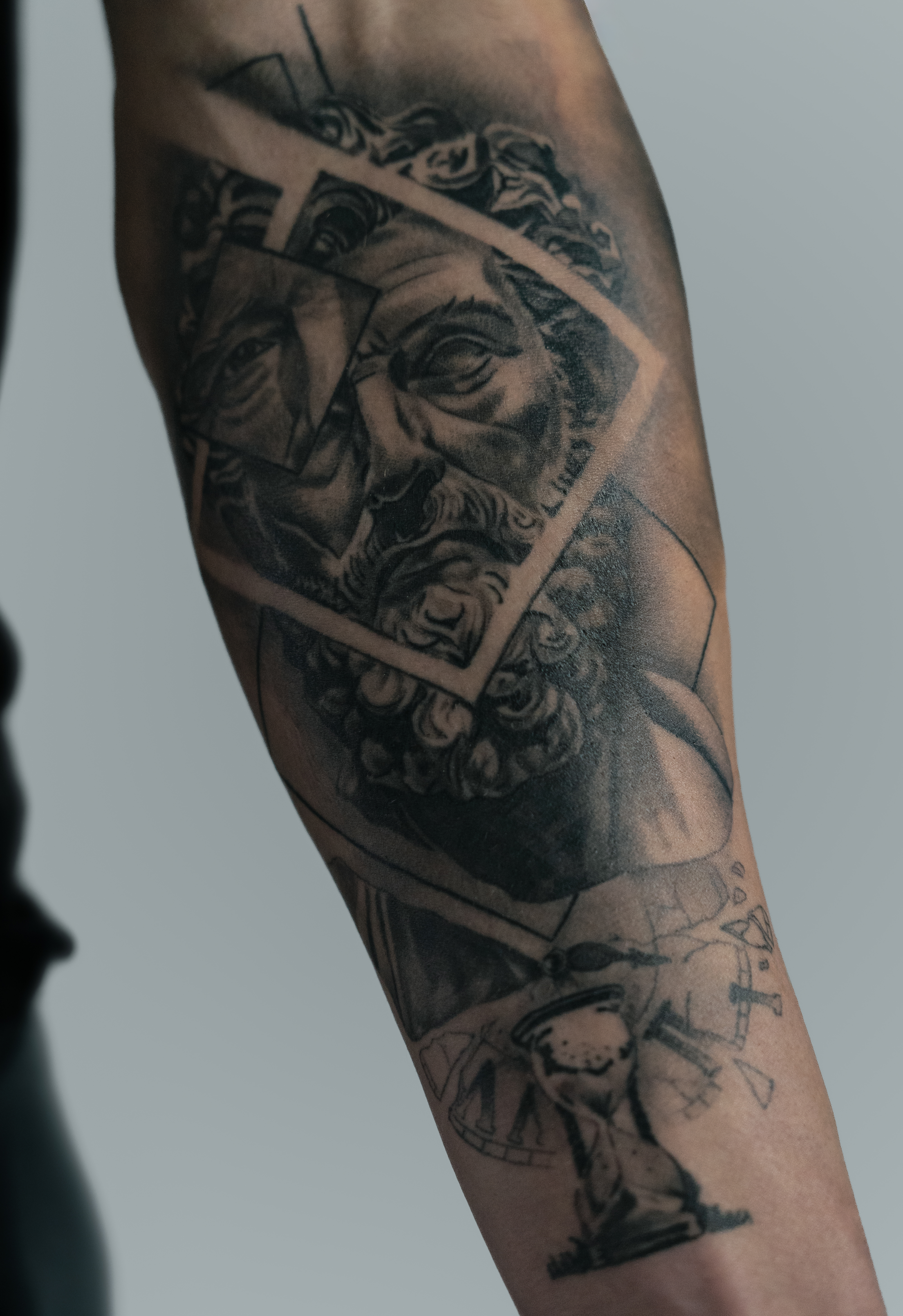
1. The first 24 hours
Your artist will protect your new tattoo before you leave the studio, normally using either tattoo aftercare spray or cling film. This helps protect the area from bacteria, clothing and general everyday contact while the skin is at its most sensitive.
If tattoo spray has been applied, leave it in place overnight and gently wash it off in the shower the following morning. The spray creates a protective barrier between the tattoo and anything that could be harmful to the open skin.
If your tattoo has been covered with cling film, we normally recommend leaving it in place for a couple of hours before removing it and cleaning the tattoo thoroughly. Do not rewrap the tattoo unless your artist has specifically advised you to do so.
A small amount of ink, blood or clear fluid beneath the cling film can be normal. However, if the covering leaks, moves out of place or causes an uncomfortable reaction, contact your artist for advice.
Before touching your tattoo or removing its covering, wash and dry your hands thoroughly.
2. Removing the dressing and cleaning your tattoo
When it is time to remove the cling film:
- Wash your hands thoroughly with soap and warm water.
- Gently remove the cling film.
- Carefully wash the tattoo using clean hands, lukewarm water and a mild, fragrance-free soap.
- Pat it dry with a clean paper towel. Do not rub the area or use a shared hand or bath towel.
-Allow the tattoo to dry fully before applying any product recommended by your artist.
During the first few days
Wash your tattoo every morning and evening for the first 3 to 5 days. Avoid washing it too often, as this can irritate the skin and slow down the healing process.
If you have purchased the tattoo aftercare spray, reapply it once the tattoo is clean and completely dry after each wash. This will help protect the area during the early stages of healing.
If your tattoo was covered with cling film, allow it to dry heal once the original wrapping has been removed. Do not rewrap it unless your artist specifically advises you to.
Keep shampoo, shower gel and other fragranced products away from the healing tattoo.
Moisturising your tattoo
Your tattoo will usually begin to feel dry around day 4 or 5. At this point, apply a thin layer of Palmer’s Cocoa Butter using freshly washed hands. Avoid applying too much or moisturising the tattoo before it starts to dry, unless advised otherwise by your artist.
Everyone’s skin is different. If you have allergies or Palmer’s Cocoa Butter does not agree with your skin, ask your artist to recommend a suitable alternative.
Avoid fragranced products, medicated creams or anything that could irritate open skin. Only use products recommended or approved by your artist.
3. What to expect while your tattoo heals
Every person and every tattoo heals differently. The size, placement and style of your tattoo can all affect the process, and some areas may take longer to scab, peel and settle than others.
The first one to three weeks are the most important stages of healing.
During the first few days, the area may feel warm, tender, slightly swollen or similar to sunburn. Some redness and a small amount of clear fluid or excess ink can also be expected.
As the skin begins to heal, the tattoo may feel dry, tight or itchy and may start to lightly flake or scab. The surface of the skin can appear slightly raised, shiny or silvery during this stage.
This is a normal part of the healing process. Do not scratch, pick or pull at the skin, even if it becomes itchy. Let any flakes or small scabs come away naturally to avoid damaging the skin or affecting the finished tattoo.
Between weeks two and four, the ink and skin will continue to settle. The tattoo will naturally appear lighter than it did immediately after the appointment, with around a 20% reduction in its original darkness being common. Any remaining dryness, silvery skin or raised areas should also begin to settle.
The main visible healing process will often finish within two to three weeks, although the deeper layers of skin can take around six to eight weeks to heal fully. Continue to moisturise the area when needed and it should gradually smooth out by itself.
4. What to avoid during healing
Until your tattoo has fully healed:
- Do not scratch, pick or peel the tattoo.
- Avoid baths, swimming pools, the sea, hot tubs, saunas and steam rooms for at least 12 to 14 days.
- Keep the tattoo out of direct sunlight for at least 12 to 14 days and do not use sunbeds.
- Avoid tight or rough clothing that rubs against the area.
- Do not wrap the tattoo again after removing the initial cling film unless instructed by your artist. Allowing air to reach the tattoo supports the healing process.
- Do not shave or wax over the tattoo.
- Avoid strenuous activity if it causes heavy sweating, stretching or friction around the tattoo.
- Keep the area away from dirt, dust, grease and other possible irritants. If you work in an environment where the tattoo could be exposed to these, speak to your artist for tailored advice.
- Do not apply fragranced skincare, fake tan, makeup or unapproved creams to the area.
- Avoid letting pets lick or rub against the healing tattoo.
- Showering is fine from the following morning, but do not use hot water directly on the tattoo. Avoid soaking it or directing a powerful jet of water onto it, and carefully pat the area dry afterwards.
- Do not allow shampoo, shower gel or other fragranced products to touch the tattoo. Only use lukewarm water and a fragrance-free soap to clean it.
We also advise against using numbing cream before your tattoo appointment. Stillhaus does not supply or approve these products, as they can be unpredictable on the skin and may contribute to irritation, rashes, chemical burns or a more difficult healing process.
5. Protecting your tattoo long term
Once your tattoo has fully healed and the skin feels smooth again to the touch, regular moisturising can help keep the skin in good condition.
Sun exposure can cause tattoo ink to fade over time, so apply a high-SPF, broad-spectrum sunscreen whenever the area is exposed. Do not apply sunscreen directly to a new or unhealed tattoo. Until the skin has healed, protect it with loose clothing and keep it in the shade.
Keeping your skin protected and hydrated will help your tattoo retain its detail and appearance for years to come.
6. Signs of a possible infection
Some tenderness, redness and mild swelling can be normal shortly after a tattoo. You should seek medical advice if these symptoms become worse rather than gradually improving, or if you notice:
- redness or swelling spreading beyond the tattoo;
- increasing pain, heat, burning or throbbing;
- yellow or green discharge or an unpleasant smell;
- red lines spreading away from the tattoo;
- a high temperature, fever or feeling generally unwell; or
- signs of a significant allergic reaction, such as widespread swelling, blistering or difficulty breathing.
Contact your GP or NHS 111 if you are concerned about an infection or allergic reaction. Seek urgent medical help for severe symptoms, including difficulty breathing.
You are also welcome to contact your Stillhaus artist by email or through social media if you are unsure whether your tattoo is healing as expected. However, medical concerns should always be assessed by a healthcare professional.
Tattoo Aftercare FAQs
The surface of the skin usually heals within around two to three weeks, although complete healing beneath the surface may take six to eight weeks. Larger tattoos and areas that experience more movement or friction may take longer.
Yes. You can shower the following morning, but avoid using hot water directly on the tattoo, as this may feel uncomfortable. Do not allow shampoo, shower gel or fragranced products to touch the area. Clean it gently using lukewarm water and fragrance-free soap, then pat it dry with a clean paper towel.
Avoid exercise if it causes heavy sweating, stretching or rubbing around your new tattoo. The amount of time you should wait will depend on its size and placement, so ask your artist for advice based on the tattoo you have had.
Do not apply sunscreen to a new or unhealed tattoo. Keep it covered with loose clothing and out of direct sunlight for at least the first 12 to 14 days. Once the skin has healed fully and feels smooth again, use a high-SPF, broad-spectrum sunscreen whenever the tattoo is exposed.
Stillhaus generally recommends its tattoo aftercare spray during the first few days and Palmer’s Cocoa Butter once the tattoo begins to feel dry, usually around day four or five.
Apply only a thin layer of moisturiser using freshly washed hands. If you have allergies or sensitive skin, speak to your artist before applying a new product.
If cling film moves out of place before the recommended removal time, contact your artist if you are unsure what to do. Do not repeatedly rewrap the tattoo yourself. Once the initial cling film has been removed and the tattoo has been cleaned, we generally recommend allowing it to dry heal without further wrapping.
Yes. All Stillhaus artists offer touch-ups where appropriate. Whether a touch-up is needed will depend on how the tattoo has healed and your individual circumstances.
Allow the tattoo to heal fully before asking your artist to assess it. You can contact us by email or through our social media pages if you have any questions or concerns during the healing process.
Disclaimer: While we regularly help clients through the tattoo healing process, we are not medical professionals and can only provide general aftercare guidance. If your tattoo develops a rash, unusual discharge or anything else that concerns you while healing, please speak to a doctor.

